
Built to specification · Wire Harnesses
Motorcycle Wire Harnesses
Main looms and auxiliary assemblies for motorcycles and powersports vehicles, where vibration, water and heat from the engine define the construction.
Sealed connectors
Interface
Vibration
Duty
Branch sleeves
Protection
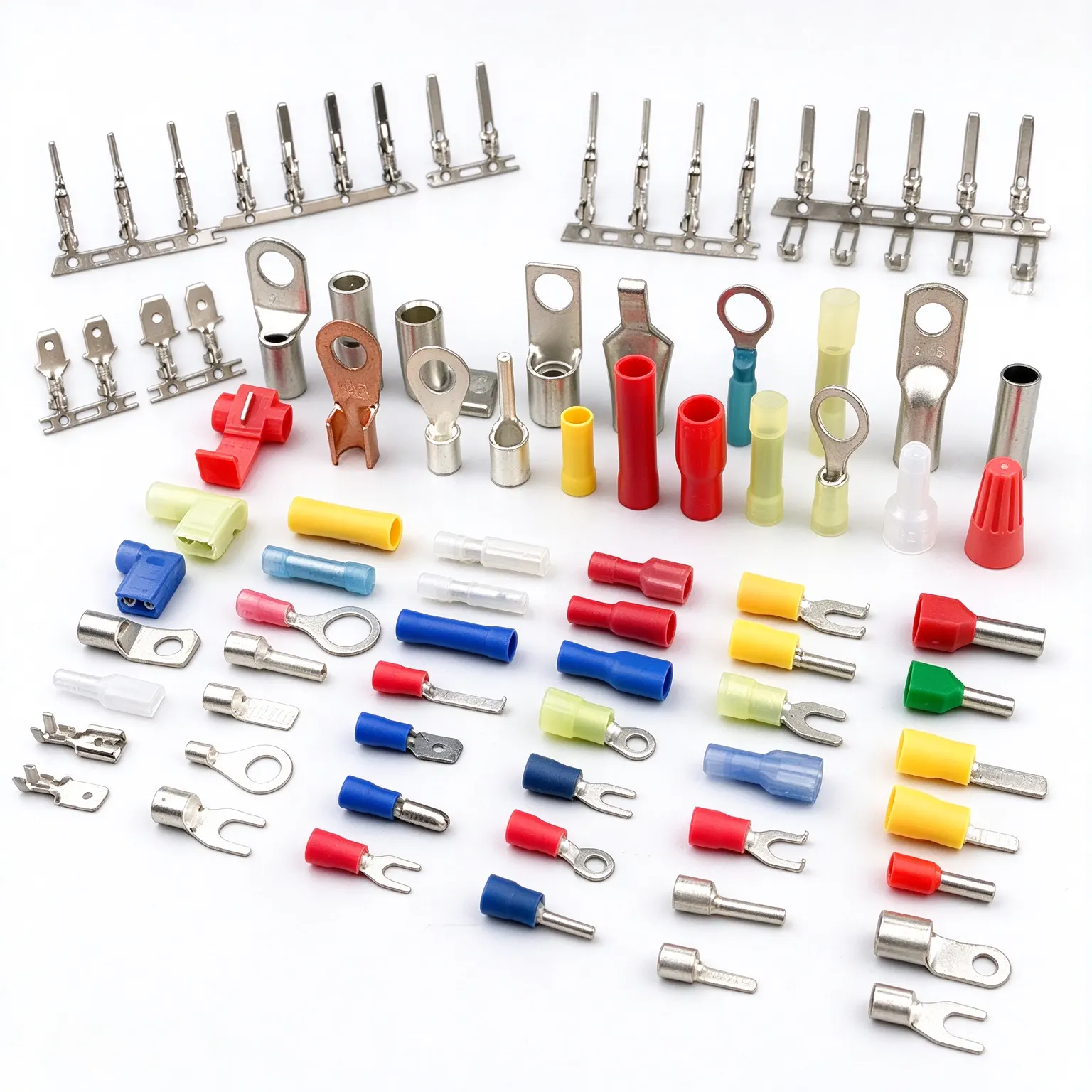
Explore motorcycle harness areas.
A motorcycle harness divides by where it runs: the main loom, the lighting circuits and the accessory wiring.
A motorcycle harness lives in the worst position on the vehicle: exposed, vibrating and close to a heat source. Sealed connectors and proper strain relief are not optional extras.
The backbone run from the battery and regulator through the frame to the controls.
Main harness assemblies
Multi-branch looms with sealed connectors, built to the vehicle drawing and routing.
Charging and ignition circuits
Leads sized for the charging current, with heat-resistant insulation near the engine.
Ground and bonding
Frame grounds with the termination and corrosion protection the design requires.
Homologation and vehicle safety approval stay with the vehicle manufacturer. Harnk builds to the supplied drawing and inspection scope.
What a motorcycle harness quotation needs
Vehicle projects are defined by the routing drawing and the connector schedule.
Harness drawing
Branch geometry, lengths and the routing path on the vehicle.
Connector schedule
Sealed connector part numbers, terminals and any cavity plugs.
Electrical rating
Voltage, current per circuit and the charging system characteristics.
Thermal environment
Maximum temperature at each section, especially near the engine and exhaust.
Protection
Sleeving, conduit, tape and the fixing hardware required by the design.
Volume
Build quantity and whether the harness repeats identically across models.
For retrofit or restoration work, a photo of the original harness with the connector part numbers is usually enough to start. See the automotive application page
Different zones. Different checks.
Engine heat, steering flex and weather exposure are the three failure drivers on a motorcycle harness. Each one changes the material choice.
Engine-adjacent runs
Confirm temperature rating of conductor and sleeve, plus the clearance from hot surfaces along the route.
Steering and suspension
Check flex rating and bend radius where the harness crosses a moving joint, and the fixing that stops it pulling at the connector.
Weather exposure
Verify sealed connectors, drain paths and that no section can collect water.
Vibration
Review crimp rather than solder, connector retention features and the spacing of the harness fixings.
How the build is controlled
The same process controls run on every build, whether it is a prototype run or a repeat order.
IQC incoming control
Dedicated IQC staff inspect incoming materials and retain inspection records.
In-process inspection
First-article confirmation, patrol inspection, and SPC process monitoring.
MES traceability
MES covers the entire process flow, so any anomaly is located and handled fast.
8D closed-loop response
Agreed response times and internal escalation paths — clear ownership, fast resolution.
- Locked process parameters
- Crimping, soldering, molding and waterproofing run on locked parameters with defined acceptance criteria.
- Outgoing control
- OQC inspection and mix-prevention packaging standards control outbound quality.
- Compliance documents
- Certifications and test reports available on demand for compliance audits.
- Factory visits
- Book a tour and walk the production floor along our visitor route.
Where to go next
Drone Wire Harnesses
Lightweight wiring for flight controllers, power distribution boards, gimbals, telemetry and payload modules — where every gram and every millimetre of routing matters.
ReadRobot Wiring Harnesses
Harnesses that follow the arm: controller links, dress packs, joint runs and end-effector wiring, where continuous motion decides the construction.
ReadIndustrial Machinery Wire Harnesses
Machine-internal and panel wiring built from the equipment drawing — the highest-volume custom harness category, and the one where documentation quality decides the result.
ReadHome Appliance Wire Harnesses
Internal wiring for household appliances, where the enclosure geometry, the thermal environment and the component approvals decide the assembly.
ReadCustom wire harness services
Configurations, customization options, assembly process and quality checks.
ReadAll applications
Wiring requirements by equipment type: industrial, automation, automotive and medical.
ReadQuestions that come up before ordering
01 How are connectors protected against water and vibration? Protection
Sealed housings with a secondary lock, plus a sleeve or boot at each branch. The seal only works if the mating half is the correct series, so the connector family is fixed on the drawing.
02 Which sleeve is used over the main bundle? Material
Braided sleeve where abrasion against the frame is the risk, heat-shrink where the bundle passes the engine or exhaust. Both are specified per section rather than across the whole harness.
03 Can the harness be built to a frame sample? Process
Yes. A frame or a physical sample can be used to set branch lengths, and the measured routing is then frozen on the drawing for repeat builds.
04 What is supplied with each batch? Documentation
Continuity, pinout and seal seating are checked against the drawing, and the inspection record can be issued with the shipment on request.
Planning Motorcycle Wire Harnesses?
Send the drawing, the connector schedule or a photo of the existing assembly. We review what you have and come back with the open points and a quotation path.