
Specified to your build · Wires & Cables
PVC Electronic Wire
The default internal wiring of equipment — PVC-insulated single conductors, specified by UL style rather than by description.
300 / 600 V
Voltage rating
80 / 105 °C
Temperature class
30 – 16 AWG
Conductor range
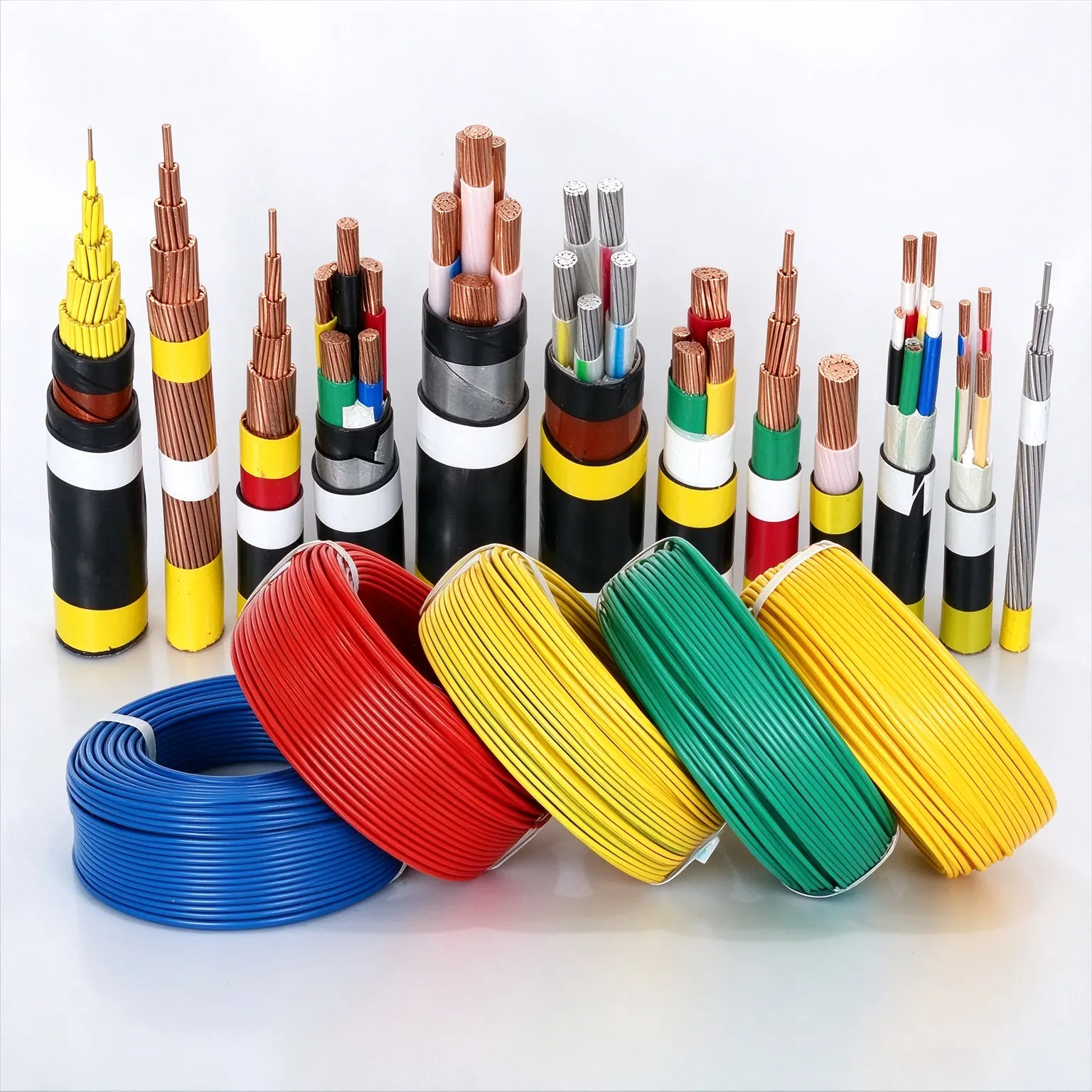
Range and variants
The UL style number fixes the insulation wall, the voltage rating and the temperature class. Two wires that look identical on a bench can carry different styles, and only the marking on the jacket says which one is which.
UL 1007
Thin-wall 300 V wire for dense panel wiring.
UL 1015
600 V with a thicker wall, for higher voltage and mechanical abuse.
Topcoat and pre-tinned
Where the strand bundle has to stay together before soldering.
What has to be specified
The values that decide whether the part fits, before price or lead time are discussed.
- Voltage rating
- 300 V on UL 1007, 600 V on UL 1015.
- Temperature
- 80 °C on 1007, 105 °C on 1015.
- Conductor
- Stranded tinned copper, 30 to 16 AWG.
- Insulation
- PVC, 0.38 mm wall on 1007, thicker on 1015.
- Marking
- Style number, gauge, voltage and temperature printed on the jacket.
How the build is controlled
The same process controls run on every build, whether it is a prototype run or a repeat order.
IQC incoming control
Dedicated IQC staff inspect incoming materials and retain inspection records.
In-process inspection
First-article confirmation, patrol inspection, and SPC process monitoring.
MES traceability
MES covers the entire process flow, so any anomaly is located and handled fast.
8D closed-loop response
Agreed response times and internal escalation paths — clear ownership, fast resolution.
- Locked process parameters
- Crimping, soldering, molding and waterproofing run on locked parameters with defined acceptance criteria.
- Outgoing control
- OQC inspection and mix-prevention packaging standards control outbound quality.
- Compliance documents
- Certifications and test reports available on demand for compliance audits.
- Factory visits
- Book a tour and walk the production floor along our visitor route.
Where this is used
Control panels
Internal wiring between terminals, contactors and relays, where the wire never moves after assembly.
Appliance and equipment leads
Fixed internal runs at 300 V, where flexibility is not part of the requirement.
Low-voltage signal runs
Where the current is modest and a single conductor is easier to route than a jacketed cable.
Questions that come up before ordering
01 What does the UL style number actually fix? Standards
The insulation wall, the voltage rating and the temperature class. Two wires that look the same on a bench can be different styles, and only the jacket marking says which one is which.
02 UL 1007 or UL 1015? Selection
1007 is thin-wall 300 V for dense panel wiring. 1015 is 600 V with a thicker wall, for higher voltage and where the wire is handled during assembly.
03 Can a thicker wall substitute for a higher rating? Compliance
No. The rating follows the style, and the style is a tested construction. A thicker wall of a different compound does not make the wire a 600 V part.
04 Why tinned rather than bare copper? Construction
Tinning stops the strand bundle oxidising before it is crimped or soldered, and it keeps the strands together at the cut.
Need pvc electronic wire specified to your build?
Send the drawing, the environment and the interface. We confirm the open points before quoting, so the part you receive is the part that was specified.
- Drawing review before quote
- Prototype to volume
- Certifications on request