
Specified to your build · Wires & Cables
Flexible UL Styles
Wire for leads that see handling or repeated movement, where the strand count matters more than the gauge.
26 – 16 AWG
Conductor range
UL 1569 / 10012
Common styles
300 V
Voltage rating
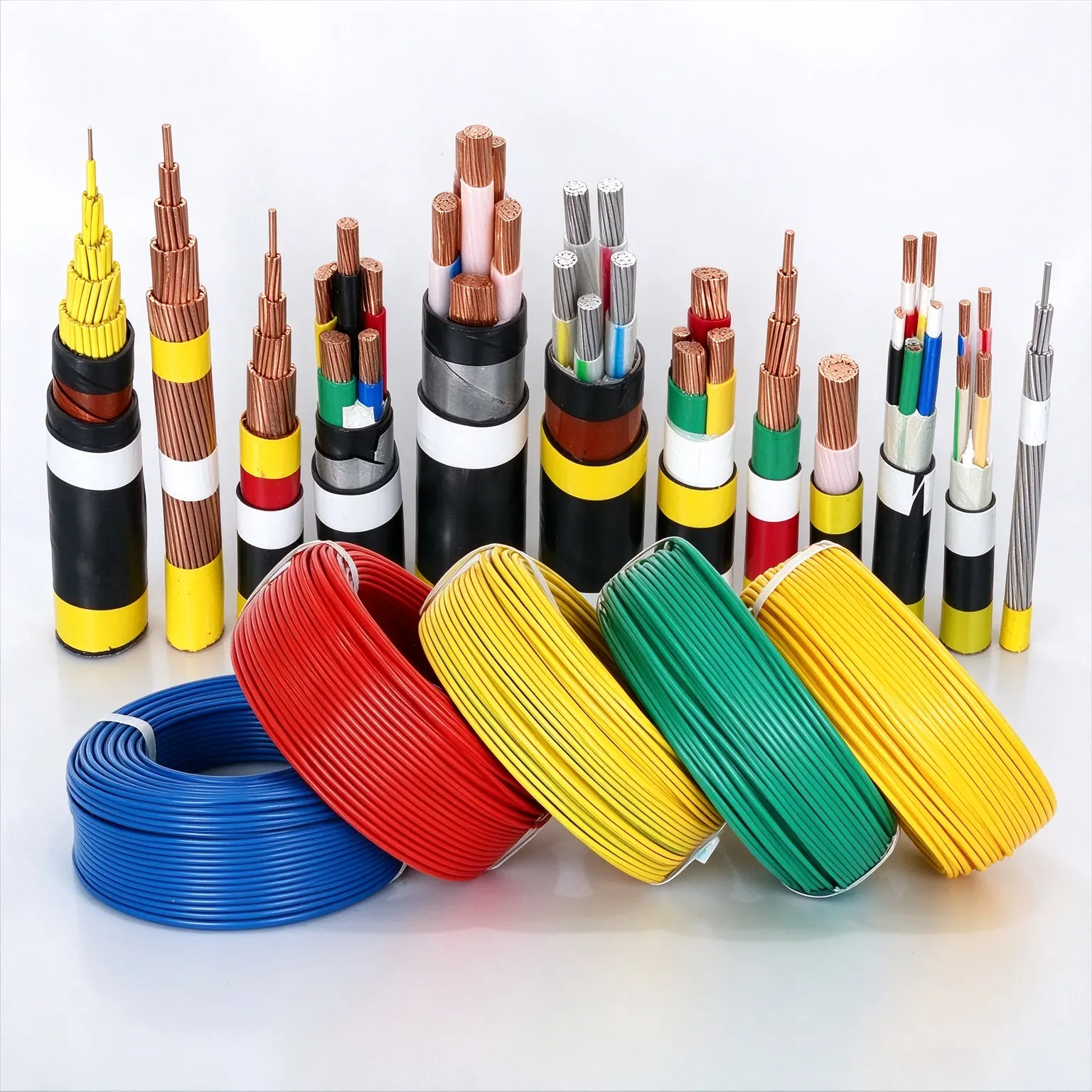
Range and variants
Two 18 AWG wires with the same insulation can differ by a factor of three in strand count. The finer stranding is what survives flexing; the coarser one work-hardens and breaks at the crimp, usually just outside the insulation.
UL 1569
The common flexible single conductor for appliance and equipment leads.
UL 10012
Higher strand count for tighter bend radii.
Silicone alternative
Where the flex point also runs hot.
What has to be specified
The values that decide whether the part fits, before price or lead time are discussed.
- Voltage rating
- 300 V on UL 1569 and 10012.
- Temperature
- 80 °C to 105 °C depending on style.
- Conductor
- High strand count, 26 to 16 AWG.
- Insulation
- PVC, thinner wall than UL 1015 for the same current.
- Flex class
- Rated for repeated flexing, not for continuous motion.
How the build is controlled
The same process controls run on every build, whether it is a prototype run or a repeat order.
IQC incoming control
Dedicated IQC staff inspect incoming materials and retain inspection records.
In-process inspection
First-article confirmation, patrol inspection, and SPC process monitoring.
MES traceability
MES covers the entire process flow, so any anomaly is located and handled fast.
8D closed-loop response
Agreed response times and internal escalation paths — clear ownership, fast resolution.
- Locked process parameters
- Crimping, soldering, molding and waterproofing run on locked parameters with defined acceptance criteria.
- Outgoing control
- OQC inspection and mix-prevention packaging standards control outbound quality.
- Compliance documents
- Certifications and test reports available on demand for compliance audits.
- Factory visits
- Book a tour and walk the production floor along our visitor route.
Where this is used
Handheld and portable equipment
Leads that are coiled, moved and stored between uses.
Door and drawer wiring
Runs that cross a hinge or a moving joint once per cycle.
Test and jumper leads
Where the cable is handled every day and flex life is part of the specification.
Questions that come up before ordering
01 Does strand count change the current rating? Selection
Not much. It changes the flex life. Two 18 AWG wires with the same insulation can differ threefold in strand count, and the finer one is what survives repeated bending.
02 Where does a flexible wire fail? Failure
Usually just outside the insulation, at the crimp. The strands work-harden at the transition, and that is where the break starts.
03 Is flexible wire the same as drag-chain cable? Selection
No. Flexible wire is rated for repeated handling, not continuous motion in a chain. A chain needs a construction built around its stranding and its jacket.
04 Can flexible wire be used at high temperature? Temperature
PVC flexible wire tops out at 105 °C. Above that, silicone is the flexible option, at the cost of mechanical strength.
Need flexible ul styles specified to your build?
Send the drawing, the environment and the interface. We confirm the open points before quoting, so the part you receive is the part that was specified.
- Drawing review before quote
- Prototype to volume
- Certifications on request