
Specified to your build · Wires & Cables
Shielded & Coaxial Cable
Cable that keeps a signal inside, or keeps interference out, depending on which end of the problem you are on.
50 / 75 / 100 Ω
Impedance
85 – 100 %
Shield coverage
30 – 12 AWG
Conductor range
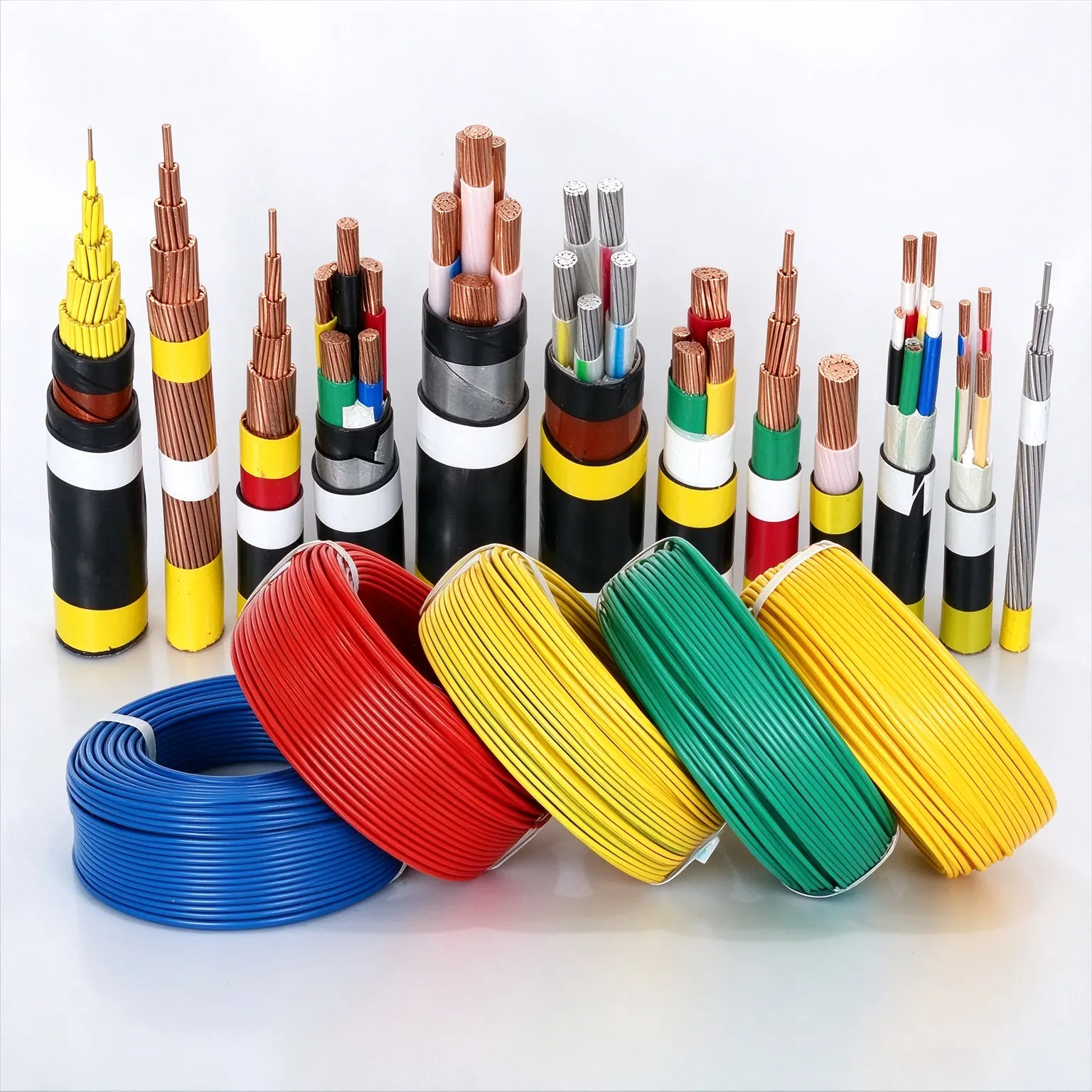
Range and variants
Shielding only works if it is terminated. A foil with a drain wire and a braid with a 360° clamp behave differently at frequency, and the connector has to match the construction that was chosen rather than the other way round.
Foil plus drain
Lowest cost shield, good at low frequency, needs the drain wire connected.
Braid
Better at high frequency and survives flexing; usually combined with foil.
Coax
A single conductor with a defined impedance and the shield as the return path.
What has to be specified
The values that decide whether the part fits, before price or lead time are discussed.
- Impedance
- 50 Ω and 75 Ω on coax; 100 Ω on Ethernet constructions.
- Shield coverage
- Foil 100 %, braid 85 % to 95 %, or both.
- Conductor
- Solid or stranded, 30 to 12 AWG.
- Dielectric
- PE, foamed PE or PTFE, by loss requirement.
- Termination
- Drain wire, braid clamp or 360° connector shell.
How the build is controlled
The same process controls run on every build, whether it is a prototype run or a repeat order.
IQC incoming control
Dedicated IQC staff inspect incoming materials and retain inspection records.
In-process inspection
First-article confirmation, patrol inspection, and SPC process monitoring.
MES traceability
MES covers the entire process flow, so any anomaly is located and handled fast.
8D closed-loop response
Agreed response times and internal escalation paths — clear ownership, fast resolution.
- Locked process parameters
- Crimping, soldering, molding and waterproofing run on locked parameters with defined acceptance criteria.
- Outgoing control
- OQC inspection and mix-prevention packaging standards control outbound quality.
- Compliance documents
- Certifications and test reports available on demand for compliance audits.
- Factory visits
- Book a tour and walk the production floor along our visitor route.
Where this is used
Signal runs near drives
Multi-conductor cable inside a cabinet with VFDs or servo drives.
RF and video
50 Ω and 75 Ω coax for antennas, cameras and instrumentation.
Low-level sensing
Twisted pairs where the induced noise is larger than the signal.
Questions that come up before ordering
01 Does a shield work if only one end is connected? Shielding
It stops electric-field coupling but not magnetic. For most signal runs the shield is bonded at both ends; a single-ended bond is a specific choice, not a default.
02 Foil or braid? Selection
Foil gives full coverage at low cost but cracks under flexing. Braid is 85–95 % coverage, survives movement and works higher in frequency.
03 Why does coax need a defined impedance? Signal
Because the cable is a transmission line. A mismatch reflects energy back, and at video or RF rates that shows up as loss and ghosting.
04 Can a shielded cable be terminated with a standard connector? Termination
Only if the connector bonds the shield — a 360° shell or a clamp. A connector that carries only the centre conductor leaves the shield floating at the joint.
Need shielded & coaxial cable specified to your build?
Send the drawing, the environment and the interface. We confirm the open points before quoting, so the part you receive is the part that was specified.
- Drawing review before quote
- Prototype to volume
- Certifications on request