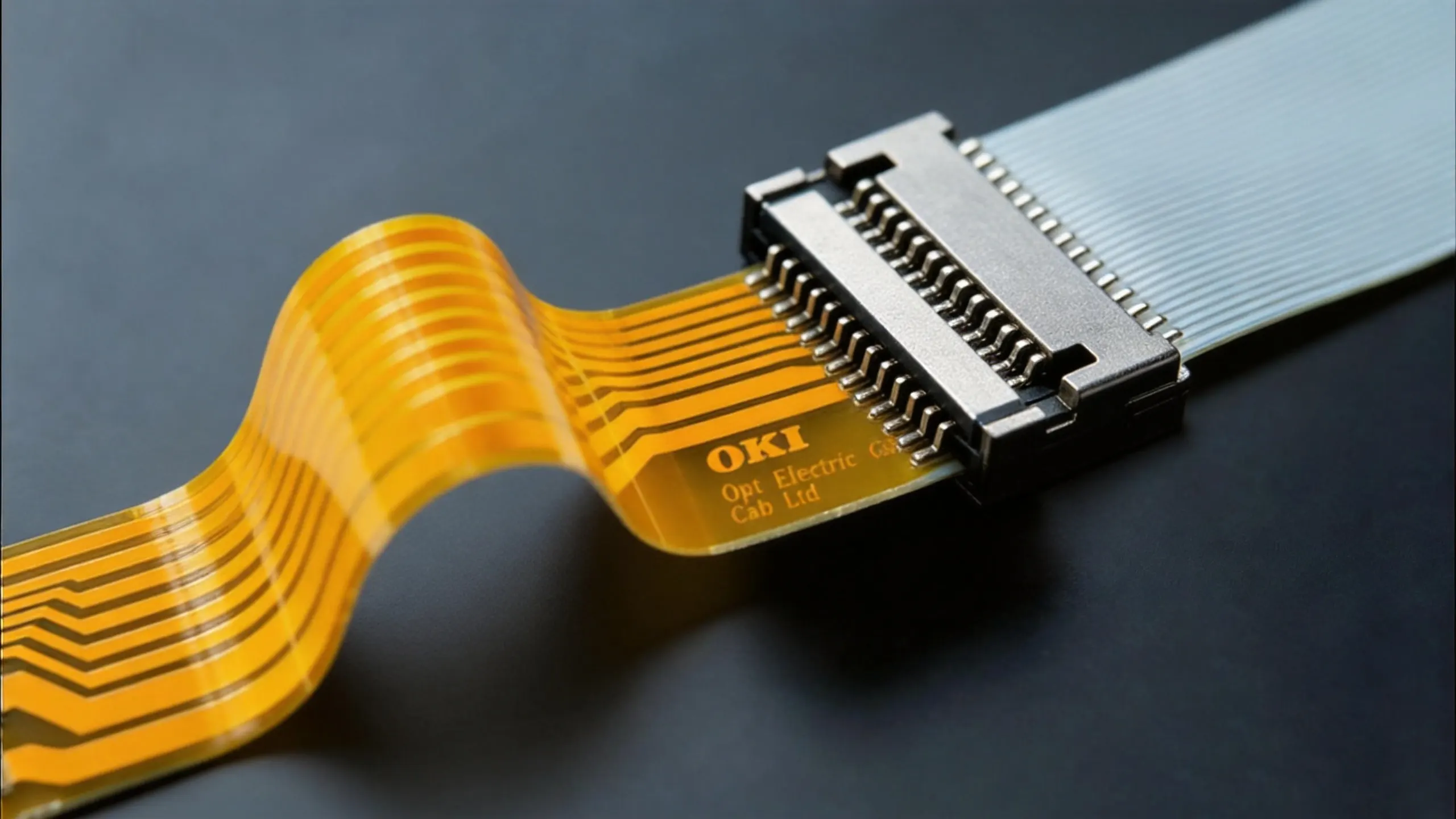
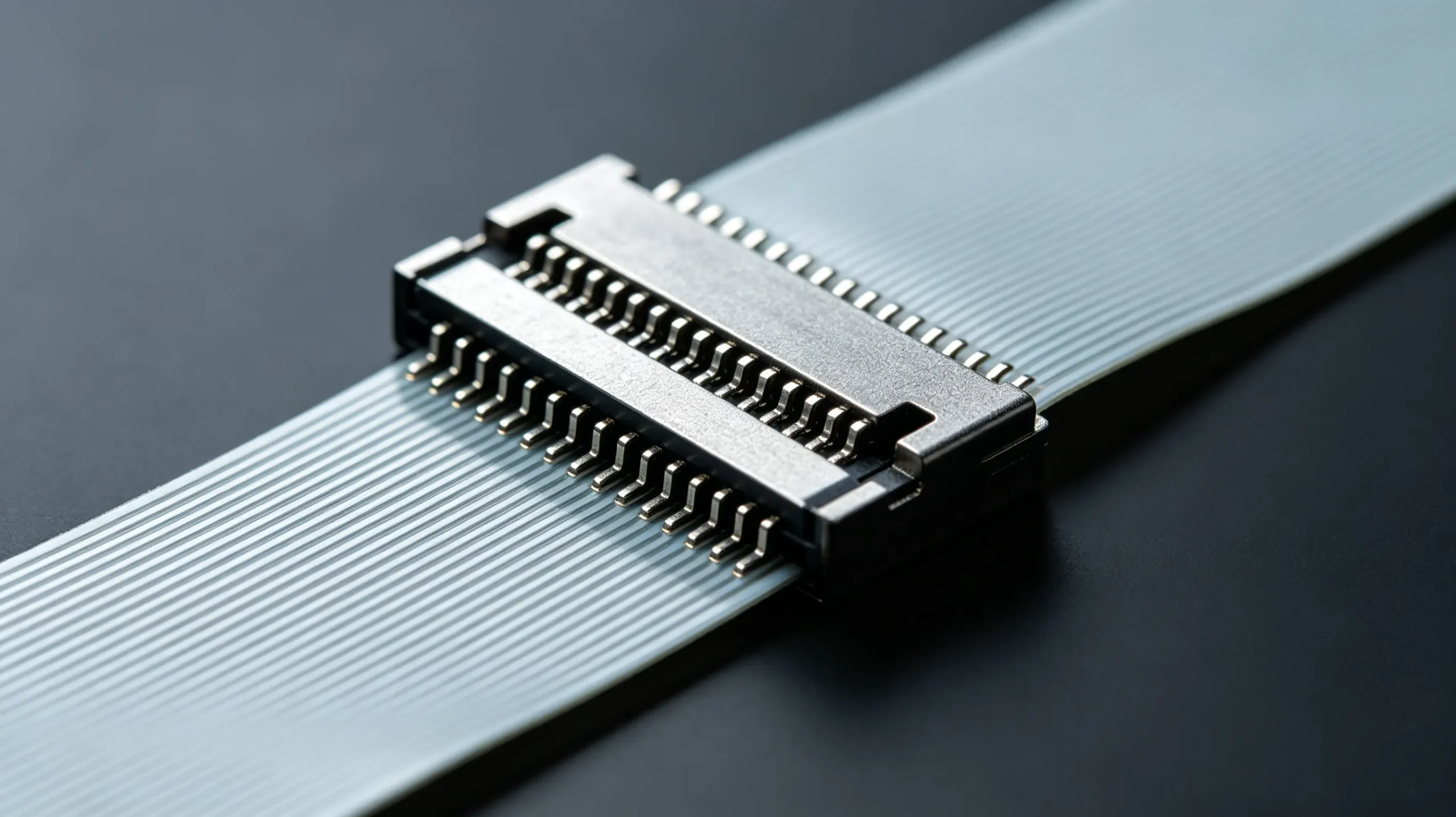
Hi everyone, I am an FPC (Flexible Printed Circuit) Connector.
I quietly reside inside slim smartphones, lightweight laptops, smart wearables, and automotive electronic systems. As the invisible flexible link powering modern miniaturised electronics, I am often overlooked. People tend to focus on flagship components like chips, displays, and sensors. However, stable signal transmission and continuous power conduction inside every device rely entirely on me. Ultra-thin, flexible, and highly reliable, I connect scattered electronic components in compact spaces and ensure the stable, smooth operation of all smart devices.
Many people have heard my name but never truly understood my value. Simply put, I am a precision detachable connector designed to bridge flexible FPC cables and rigid PCB motherboards. Unlike traditional bulky and inflexible connectors that restrict product design, my biggest strengths are ultra-slim size and outstanding flexibility. With sophisticated snap-fit, crimping, and locking structures, I achieve stable and detachable signal and power connections for modern electronics.
I serve nearly all high-precision industries, including smartphone and tablet OLED displays, laptop camera modules, ToF sensors, medical testing instruments, industrial sensors, automotive ADAS systems, and vehicle central control units. As electronic devices trend toward thinner profiles, modular design, and higher density integration, I have become an indispensable core connectivity solution.
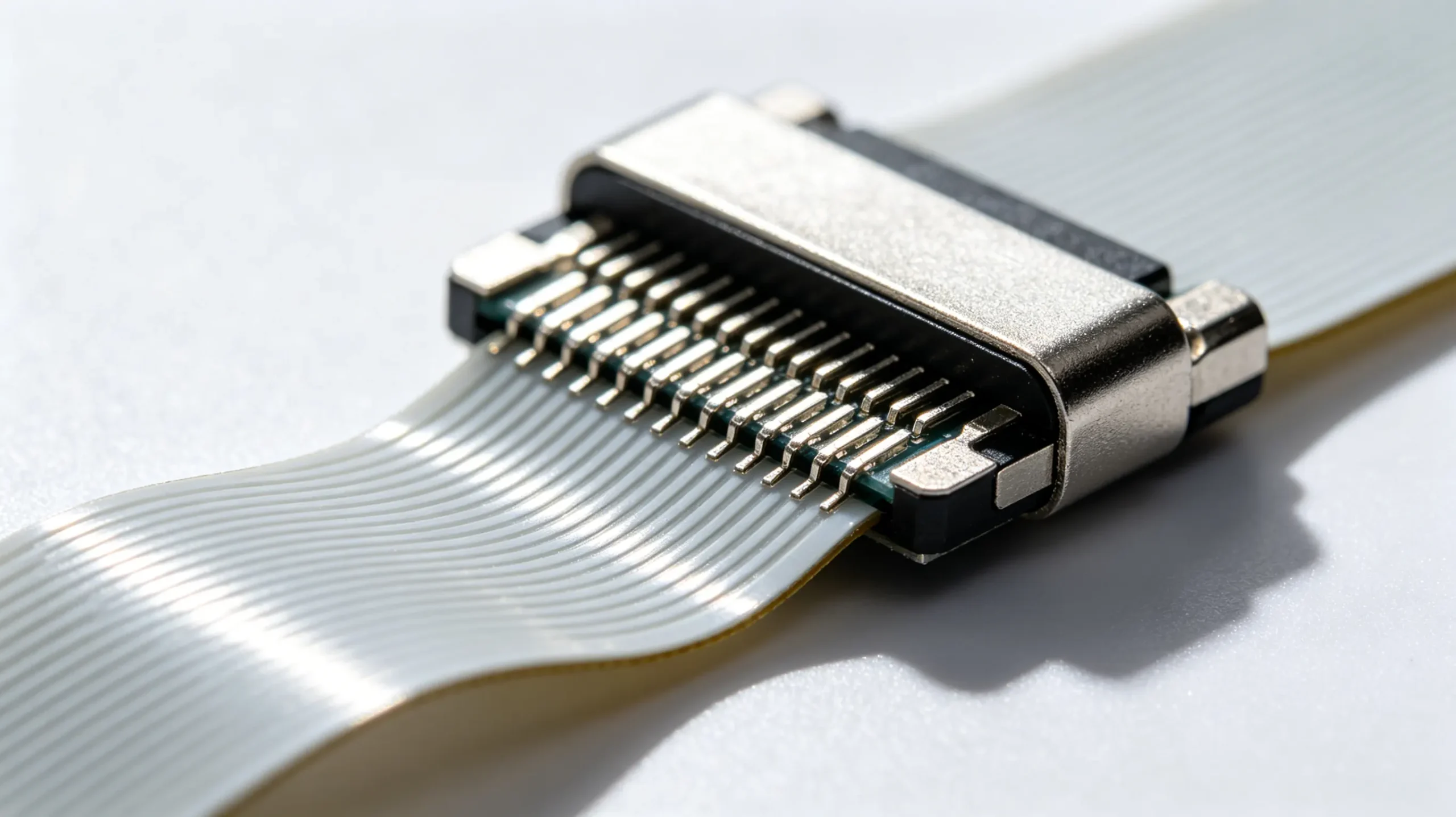
My Main Types: Different Structures for Different Working Conditions
I do not follow a one-size-fits-all design. To adapt to diverse structural spaces, assembly processes, and performance requirements, I come in multiple mainstream types with unique advantages, helping engineers achieve accurate selection:
1. ZIF (Zero Insertion Force) FPC Connector
I am the most delicate and precise member of the FPC family. I allow effortless FPC insertion without external force and lock firmly with a snap structure. Ideal for high-density wiring scenarios, it is widely used in smartphone screens, laptop cameras, and precision touch modules. I effectively prevent FPC damage caused by forced insertion, significantly improving production yield and product lifespan.
2. LIF (Low Insertion Force) FPC Connector
I am the cost-effective workhorse variant. Though my insertion force is slightly higher than that of ZIF connectors, I offer a simpler structure, greater stability, and lower cost. I excel in low-to-medium density circuits such as small control boards and home appliance modules, perfectly balancing performance and economy.
3. Flip-Lock FPC Connector
I am engineered for harsh and unstable environments. My flip-locking design firmly secures inserted FPC cables, delivering superior vibration resistance and anti-loosening performance compared to standard ZIF connectors. I am the top choice for vibration-prone equipment, including automotive electronics and industrial automation devices.
4. Front/Rear Insert & Top/Bottom Contact FPC Connector
I offer highly flexible structural solutions for ultra-narrow layout constraints. Front-insert and rear-insert designs fit extremely confined internal device spaces. Top-contact and bottom-contact variants suit standard display/camera modules and ultra-compact micro modules, respectively, fully covering diverse ultra-thin product design needs.
FPC vs FFC: Don’t Confuse Me With Ordinary Flat Cables
A common industry misconception is mixing up FPC solutions and conventional FFC flat cables. Although both are flexible connection components, they differ fundamentally in material, structure, performance, and application. I am built for high-end precision electronics:
FFC cables consist of parallel copper wires laminated with PET film. Featuring a single rigid structure without customizable circuits or multilayer processing capabilities, they only support medium and low-speed signal transmission. They are mostly applied in low-end civilian devices such as printers, scanners, and household appliances.
In contrast, I am manufactured by laminating PI film and copper foil to form a genuine flexible printed circuit. I support multilayer circuit design, precision drilling, and customised routing, enabling high-density and high-speed signal transmission. I provide accurate impedance control and EMI shielding for high-frequency protocols, including LVDS, MIPI, and eDP, making me the premium solution for smartphone displays, medical equipment, and high-end automotive electronic systems.
My Core Parameters: Key Specifications for Engineering Selection
Improper FPC selection often leads to module rework or product scrapping. To help engineers match scenarios precisely, I have sorted out my most critical performance indicators:
1. Pin Count and Pitch
My standard pin count ranges from 4 to 80 pins, while high-end display versions support up to 120 pins for ultra-high-density transmission. Common pitch specifications include 1.0mm, 0.5mm, 0.3mm, and 0.2mm ultra-fine pitch for ultra-thin devices. Smaller pitch delivers higher signal density and slimmer device profiles, but requires higher assembly precision and increases production difficulty and cost.
2. Mating Cycle Durability
Standard connectors support 20 to 100 insertion/removal cycles for regular assembly and maintenance. Premium ZIF models reach 200 cycles, meeting the long-term service demands of high-precision professional equipment.
3. Current Load & High-Speed Signal Performance
Each pin stably carries 0.2A to 0.5A for standard power and signal transmission. For display and high-frequency scenarios, I support customised shielding structures to resist EMI interference, fully compatible with mainstream high-speed protocols such as MIPI, LVDS, and eDP.
4. Height Profile & Locking Strength
I provide ultra-thin models (0.6–1.0mm) and standard models (1.0–2.5mm) to fit different device thicknesses. Locking structure strength directly determines vibration resistance. Automotive-grade versions with metal locks effectively prevent loosening and signal dropout under continuous vibration.
My Reliability Strength: Soft Body, Industrial-Grade Hardcore Performance
Do not underestimate my capabilities because of my flexible body. I comply with strict industrial reliability standards to withstand complex and harsh working conditions, covering four core dimensions:
Mechanical Reliability: Reinforced locking structures withstand repeated plugging and extrusion. Designed with standard minimum bending radii, I avoid cable fracture and signal loss and prevent FPC detachment caused by long-term micro-vibration.
Electrical Stability: High-speed versions support precise impedance control. Contact gold-plating thickness meets strict industrial standards: ≥0.2μm for standard models and ≥0.5μm for industrial and automotive grades, preventing oxidation, wear, and poor contact failures.
Environmental Resistance: I feature moisture-proof, dust-proof, and anti-corrosion properties. Automotive-grade FPC connectors comply with AEC-Q200 standards, supporting extreme temperature cycling from -40°C to 85°C for outdoor, industrial, and in-vehicle applications.
EMC/EMI Anti-Interference: High-speed configurations adopt complete grounding and shielding structures. Reasonable layout avoids high-noise areas and ensures distortion-free, stable high-frequency signal transmission.
Engineering Selection Guide: Scenario-Based Matching Recommendations
Based on my structural traits and practical engineering experience, here are targeted selection suggestions:
– Ultra-thin & high-density devices (phones, wearables): Choose 0.3mm pitch high-precision ZIF connectors
– Display modules: Adopt locked ZIF connectors with shielded FPC cables for stable image transmission
– Camera & sensor modules: Prefer flip-lock connectors with built-in EMI shielding
– High-vibration automotive scenarios: Select metal-locked automotive-grade FPC connectors
– Cost-sensitive consumer products: Use LIF connectors or FFC alternatives
– High-frequency high-speed signal devices: Apply enhanced ZIF connectors with full grounding pins
FAQ About FPC Connectors
Q1: Is a smaller pitch always better for FPC connectors?
Not exactly. A finer pitch enables higher density and slimmer design but increases assembly difficulty, production cost, and maintenance challenges. Selection should balance pin count, space constraints, and actual application demands.
Q2: What are the key points for FPC high-speed signal applications?
Shielding structures and reserved grounding spacing are essential. High-precision high-frequency devices require double-layer or triple-layer FPC boards for accurate impedance control to eliminate signal loss and interference.
Q3: Why is gold finger thickness critical?
The gold-plated layer guarantees stable contact. Insufficient plating thickness leads to oxidation, wear, and intermittent signal connection. The industrial standard is ≥0.2μm, while high-end industrial and automotive applications require ≥0.5μm.
Q4: What special standards do automotive-grade FPC connectors need?
They must meet AEC-Q specifications, adopt reinforced metal anti-vibration locking structures, sustain heat resistance above 105°C, and deliver excellent temperature cycle tolerance for harsh in-vehicle environments.
Conclusion
I am an FPC connector, the flexible, stable, and hidden guardian of modern electronic connectivity. Without a striking appearance, I deliver solid and durable industrial performance. I adapt to the ultra-thin and miniaturisation trends of electronic devices, withstand harsh working conditions, and support high-speed and high-density signal transmission. From consumer electronics and medical equipment to industrial automation and automotive electronic systems, I always empower the upgrading of modern technology with reliable quality and flexible adaptability.
Marco Lee serves as a specialist at Hank Custom Wire Harness with profound expertise in custom wiring harness and cable assembly solutions.
With more than a decade of hands-on experience in the electronics industry, Marco focuses on custom automotive, OBD and waterproof cable development. All technical articles on this blog originate from real customer consulting, project experience and daily technical problems encountered in harness customization.
Marco regularly follows industry publications such as Wiring Harness News to keep updated on the latest technology and practical solutions for wiring production.
Beyond daily technical work and industry learning, he shares practical harness knowledge via blog posts to help global purchasers solve problems about connector selection, cable specification and customized wiring matching.